By: Denko Rafajlovski, Renewable Energy ManagerNational Electricity Market Operator – MEMO The energy transition is...
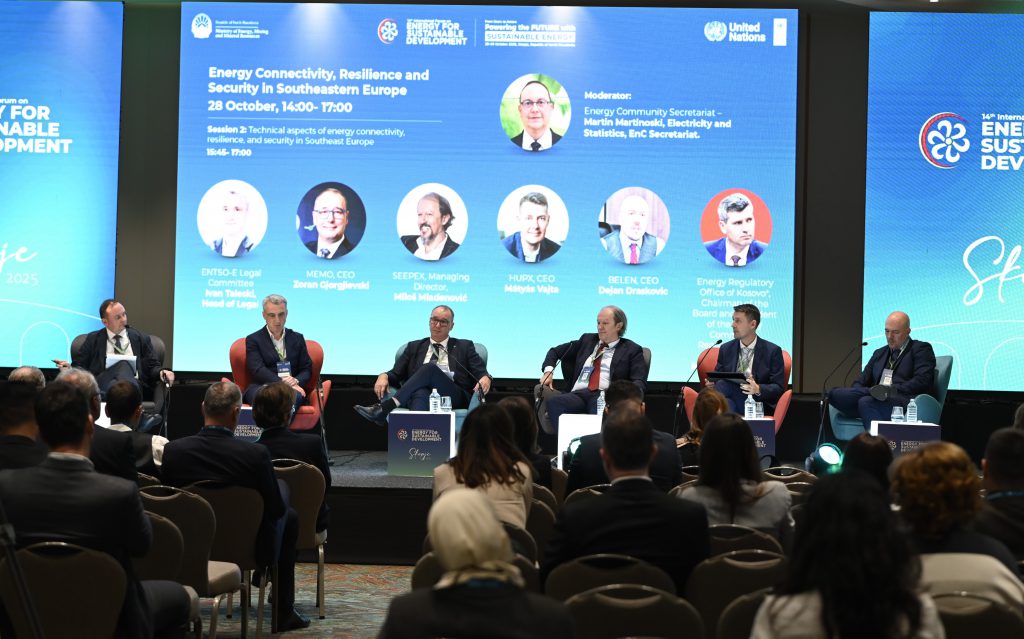
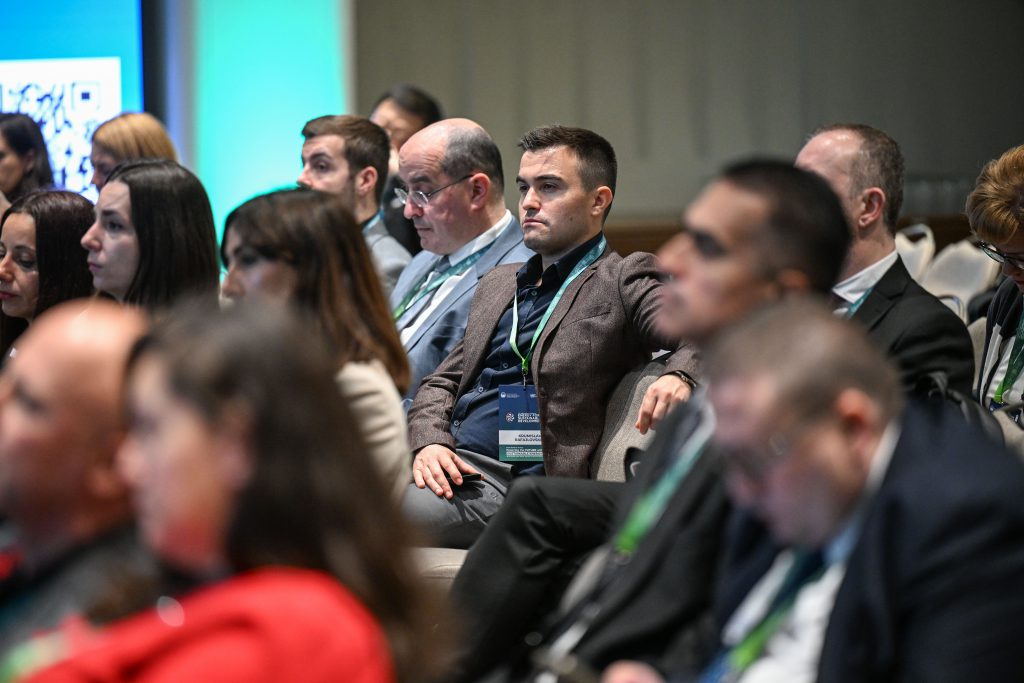
At the panel session “Energy Connectivity, Resilience and Security: Regulatory and Legal Aspects”, held within the framework of the 14th International Forum on Energy for Sustainable Development (14-IFESD) and moderated by Martin Martinovski, electricity and statistics expert at the Energy Community, Zoran Gjorgjievski, CEO of the National Electricity Market Operator (MEMO DOOEL Skopje), spoke alongside colleagues from the region — heads of power exchanges from Hungary, Serbia, and Montenegro, as well as representatives of regulatory authorities.
The discussion focused on the process of integrating the Western Balkans into the EU electricity market, emphasizing the importance of aligning legal and regulatory frameworks and advancing technical aspects such as transmission networks, interconnections, and system operations.
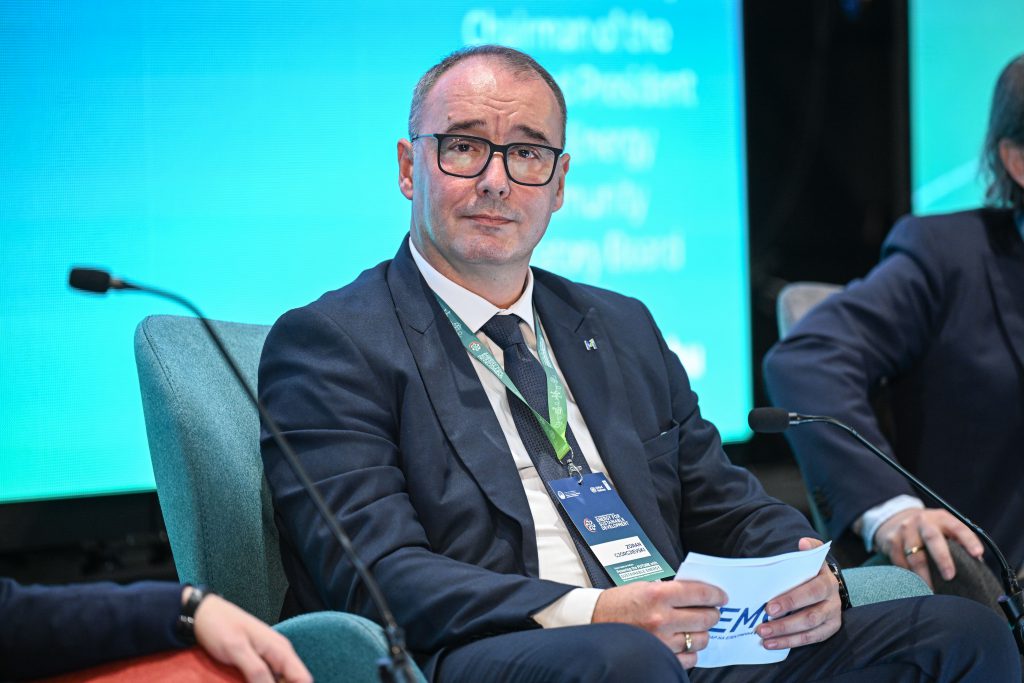
Gjorgjievski highlighted that since May 2023, when MEMO launched the Day-Ahead Market, significant progress has been achieved in developing a transparent and liquid market:
“Today, there are 38 active participants — nearly all domestic producers and suppliers, as well as most regional traders. By September 2025, around 1 TWh of electricity will have been traded, accounting for over 21% of national consumption and representing over 40% growth compared to 2024 — a clear indicator of increased liquidity and market confidence.
The achieved prices realistically reflect supply and demand conditions and are correlated with regional markets, enabling Macedonia to establish its own reference electricity price — an important signal for future investments. With the new Energy Law, MEMO has been reappointed as the Nominated Electricity Market Operator (NEMO) for the next four years, ensuring continuity and institutional stability as a foundation for European integration. The transposition of the Electricity Integration Package (EIP) is in its final phase, and following its adoption, certification by the Energy Community Secretariat and the European Commission will follow. Meanwhile, the adoption of the Market Coupling Implementation Plan (MCIP) by ACER is a key step toward launching coupling projects.
The Macedonian electricity market is stable, competitive, and actively preparing for integration with the European market,” said Gjorgjievski.
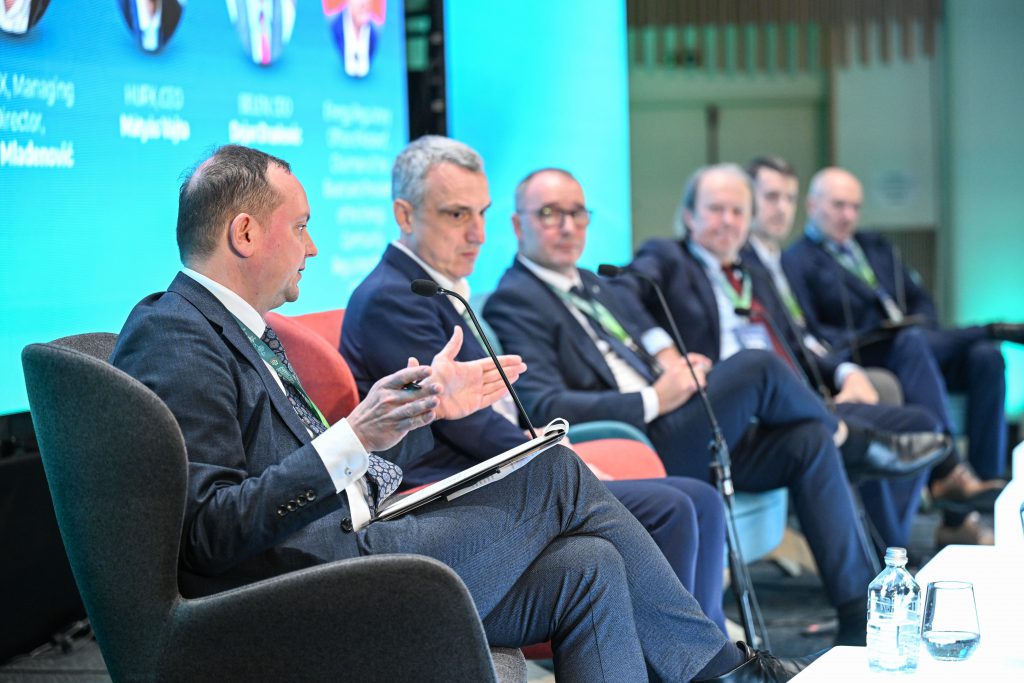
The session also addressed the technical foundations for a more resilient, interconnected, and sustainable electricity system in Southeast Europe, identifying regional priorities and opportunities for deeper integration between the EU and the Western Balkans.
““In the context of regional integration, MEMO is strengthening its role in the regional market coupling initiative and is actively working on the preparations for establishing market coupling with the Republic of Greece. In parallel, MEMO is finalizing the preparations for the Intraday Market, which is expected to become operational by the end of the second quarter of 2026,” said Gjorgjievski.
Alongside the organized market, MEMO is actively developing the Guarantees of Origin system, established in April 2025, to enhance traceability and trust in green energy.
“The next goal is full membership in AIB and connection to the European hub. In parallel, MEMO is working on digitalization and the facilitation of bilateral trading for greater transparency and efficiency. Regarding regional partnerships, MEMO cooperates with EPEX-SPOT (trading platform) and BSP (clearing and settlement) — partners of high professionalism and international reputation. Although MEMO follows initiatives such as ADEX, the focus remains on technical and regulatory alignment as the foundation for successful market coupling. Regional integration is not only a technical process but also a matter of trust and shared vision. MEMO remains dedicated to building a modern, connected, and competitive market that will strengthen Macedonia’s position within the European energy landscape,” Gjorgjievski concluded.
The 14th International Forum on Energy for Sustainable Development (14-IFESD), organized by the Ministry of Energy, Mining and Industry, UNDP, and the five UN regional commissions (UNECE, UNECA, ESCAP, ECLAC, and ESCWA), gathered government officials, experts, representatives of international organizations, financial institutions, and industry leaders — key stakeholders shaping the energy future of the region and beyond. Over 500 participants from more than 70 countries discussed the new directions of the energy transition, innovation, and sustainable solutions that will define the energy policies of the future.